

Smear Campaigns and How to Survive One
So you’ve decided to set some boundaries with toxic people in your life. Perhaps you’ve gone as far as having to cut ties with someone. I can’t tell you how much this will bring you peace. However, there is a good reason why you were reluctant to do it in the first place…you knew it would stir the pot. Being the brunt of a smear campaign is one of the most stressful situations a person can be put in, and, unfortunately, I know that firsthand.
Here’s an experience that happened to me last fall:
My son (who is 14) is learning to set boundaries with a family member who is not a parent. To say that they didn’t take it well is an understatement. This family member decided to come after me when I refused to force my children to communicate with them. They chose social media for their smear campaign...
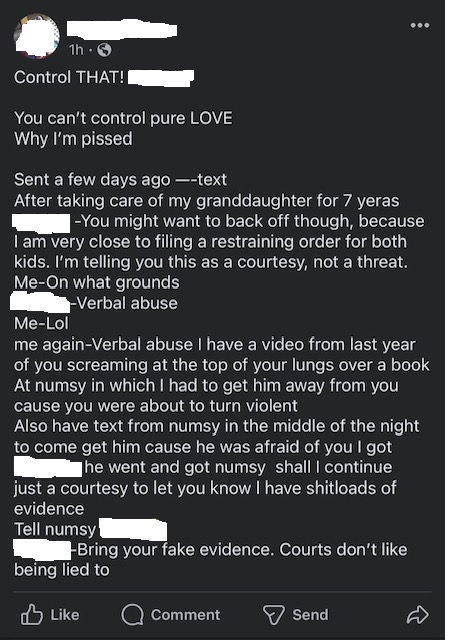
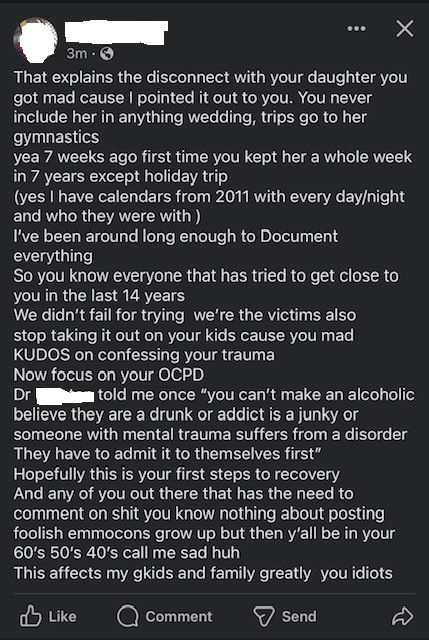

Rather than engage, I used the opportunity to collect the evidence, in this case, screenshots. It also allowed for lots of conversations with my son about handling situations like this.
Smear 101
Once you’ve walked out the door, either through significant boundary setting or no contact, prepare for them to ignite the war. The opposition begins to lose the influence they previously held, and fear sets in. Their intention is to portray you as irrational and unhinged as they possibly can. They can quickly control the situation if they can make everyone else turn against you, all the while achieving the vengeance they desperately want. You have, unintentionally but effectively, unlocked a smear campaign.
Unfortunately, there is little to no legal recourse you have in these situations, as smear campaigns rarely involve physical aggression or open defamation of character. They will exploit your fears to make you feel too helpless to take further action or expose them, using your own words and insights as weapons to rewrite history and make you appear foolish.
You’ll need to put on your emotional armor and learn as much as you can about their tactics.
During the smear campaign, the abuser will cast themselves as the victim to twist the story to the narrative of their choosing. Any reaction that you had in the past that was at all unsavory was well documented in their mind for just this occasion. Their actions are not done by mistake, despite what they might say to others about “just being concerned.” They may tell others that you are doing things that they have done, projecting their bad qualities onto you. No one is off limits from the smear campaign, but they will use the ones who are most likely to believe them.
Chances are this has been a setup for ages, knowing that you would not expose them to others prior to this because you wanted to save the relationship. This now guarantees that it will be quite hard for anyone to believe your side of the story. They don’t know the abuser the way you do, and you might have covered for them for a very long time.
Weather the Storm
Refrain from participating
It is imperative that you do this. It is possible to feel degraded, worn out, and even angry after hearing someone who formerly professed to care for you tell lies nonstop. You must resist the need to get in touch with them and plead with them to stop, defend yourself, or have an argument with them. In an effort to "prove" anything they have said about you, they are seeking a response and will unavoidably exploit everything you say, write, or publish against you. Remain silent. In case you feel compelled to respond, put your thoughts down on paper and make sure a reliable friend is on hand to listen to you. Reading it out loud to yourself can also work.
Put a Limit on Defending Your Reputation
For those who have fallen prey to a smear campaign, this may be among the most upsetting things. Sadly, attempting to convince someone that the information they are being given is incorrect may backfire and paint you as the one who is seeking revenge. People who fall for the lies of an abuser are probably not the friends or family you need. If well-meaning people do believe the abuser, time will expose them. Confusing them further will not help your situation.
If anyone should come to you about it, focus on refuting the lies rather than the person causing the harm, even when you are defending yourself. Speaking poorly about this individual to support your position may, regrettably, backfire on you by giving the impression that you are resentfully bitter. Despite how challenging it may be, pay attention to the actions: "Yes, we recently ended the relationship, and they are really upset. These are false complaints, I promise you. I appreciate you listening to me."
Labels like "narcissist" should be avoided when speaking with employers or law enforcement about this person since they will reflect negatively on you. Allow their deeds to do the talking. People will eventually notice the patterns.
Empathetic people frequently become more accessible targets for abusers. I'm much more watchful these days - getting better at developing discernment, taking better care of myself, and allowing myself to follow my intuition without guilt. I've always been naturally optimistic, but not everyone deserves our trust. Not all people mean well. Not everyone is interested in your success; regrettably, sometimes those individuals are the ones you thought you could trust.
In case you are wondering, no one took me to court. It was all a scare tactic. A poor one at that, because I knew I hadn't done anything worth documenting. Even though my experiences were dreadful, they made me realize I had courage, fortitude, and resilience I didn't know I had. For me, resolving abuse and navigating relational boundaries have been continuous journeys. I'm, at last, allowing myself to be disliked by some people to have personal autonomy and to help my children learn how to handle these situations as well.


Comments